This is Jacksonville

Karen Rieley

The following received Honorable Mention in Prose Category of the 2022 JAXNEXT100: A celebration of Jacksonville’s past, present and future competition.

Of the slogans that have marketed Jacksonville in the past 50 years: “The First Coast,” “The River City,” “The Bold New City of the South,” “Where Florida Begins,” and now “Jax. It’s easier here,” several describe location and, so, are indisputable. Not so “The Bold New City of the South” and “Jax. It’s easier here” that, at the very least, attempt to make us seem better than we are and, at most, hide some dangerous truths.

The Bold New City of the South? When City leaders wanted to consolidate with Duval County in 1968, inner city minority voters were persuaded to vote yes by being promised that they would gain political representation that had been lost with “white flight” to the suburbs. Consolidation happened, but most of the promises made to inner city voters didn’t, and City funds largely went to satisfy white voters in the suburbs rather than providing funds for necessary services in the inner city.

A bold Southern city would have embraced integration. Instead, on Ax Handle Saturday, in 1960, when Black demonstrators sat in at the lunch counters of Woolworth and W.T. Grant, a crowd of enraged white people, organized by the Ku Klux Klan, attacked them with ax handles and baseball bats. The local newspapers barely covered the attacks and then-Mayor Hayden Burns denied any violence at all. In 2018, the real truth about the racial riot was painted on a mural on Eastside Brotherhood Club proclaiming “It was never about a hot dog and a Coke!” 

In the early 1900s, Florida Avenue, known then as “The Avenue” and now as A. Philip Randolph Blvd., was the commerce center for Blacks living east of Hogans Creek. A shooting on Oct. 31, 1969, essentially destroyed it. A salesman who had parked to call on a business believed his vehicle was being burglarized by a Black man named Buck Riley. He tried to shoot Riley, and when Riley ran away from him, the truck driver began firing his gun into the crowd.

The crowd flipped the salesman’s truck and set many of the buildings on fire. Rioters looted and threw rocks through the windows of businesses. Vehicles were burned, a policeman was struck with a brick, two people were injured by gunfire and 11 people were arrested. Charges were dropped against Riley and the salesman, but businesses and residents left out of fear.

In 1919, lawmen who charged a black man with molesting a young white girl moved him from Jacksonville’s jail to St. Augustine before a lynch mob could form. But when a mob overran the jail trying to take the molester, instead of leaving empty-handed they made a jailer hand over two other Black men – Cook and John Morine – who had been arrested over the killing of a white insurance agent.

Cook and Morine were strung up, shot and tied behind cars that dragged their bodies around town, leaving Cook’s remains outside a hotel overlooking the Confederate Soldiers memorial in Hemming Park, now renamed James Weldon Johnson Park.

More than 100 years later and two years after Mayor Curry said all Confederate monuments need to come down, only the James Weldon Johnson Park monument has been removed.

The current marketing slogan for Jacksonville, “Jax. It’s easier here,” is baffling. Our history shows that progress has not been easy here. Many have done hard, dangerous work to get to this point, and much more work needs to be done.

Far too many negative things have happened in too short of time – COVID, negative politics, dangerous climate change, women’s loss of control over their own bodies, discrimination and violence against our fellow humans, attempts to make it difficult for some to vote, and leaders more concerned about their own power and success than those who elected them.

Can we find it in ourselves to have hope for the next 200 years? Naturalist and UN Messenger of Peace Jane Goodall says that real hope requires action. She began a youth program called Roots & Shoots in 1991, to empower young people to affect positive change in their communities. It has since become a global movement with hundreds of thousands of children and young people active throughout the world.

However, we adults shouldn’t fall back on the adage that “children are our future.” We must all step up rather than say we’ve done all we can, we know we’ve failed, and we’re counting on the next generation to fix things.

Today, businesses are starting up and growing on A. Philip Randolph Blvd. The first participants in the Project Boots homeownership program will break ground in late 2022 on their new homes. The Historic Eastside Cultural Center is open and teaching about art, Black history and more. Organizations like Florida Blue, Lift Jax and LISC are investing money in the community with the goal of ending generational poverty.

Hope is the stubborn determination to do all we can to make it work, like those in Historic Eastside determined to bring their community back even better than it when it started.

Hope is a much deeper source of strength, practically unshakable, much like Martin Luther King’s message of hope: “I have a dream that one day this nation will rise up and live out the true meaning of its creed: ‘We hold these truths to be self-evident, that all men are created equal.’”

Desmond Tutu said, “Hope is being able to see that there is light despite all of the darkness.”

Omid Safi said in the On Being radio show and podcast, “For hope to be real, there has to be a prison. And we, in the prison. We hope that light will, someday, triumph over darkness, that love will gain victory over hatred, that compassion will gain over apathy.”

Let us hope that “The Bold New City of the South” will become a place where it is “easy” – pleasurable, safe and supportive, for all to live.

“Return to your fortress, O you prisoners of hope.” – Zechariah 9:12
The Way We Were: William H. Rose

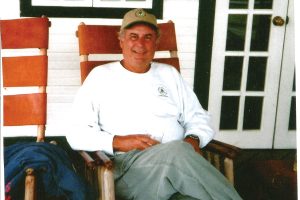
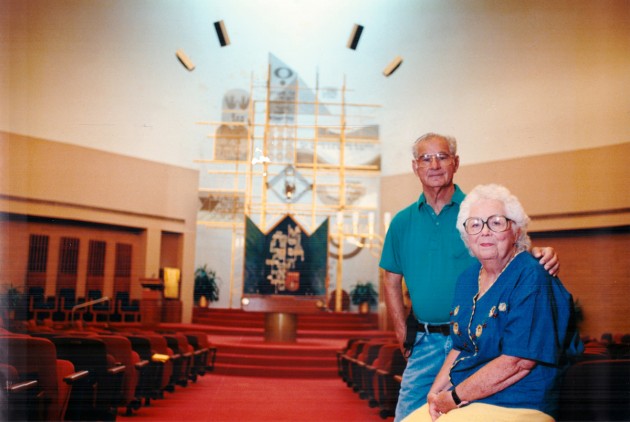
William and Betty Rose

KAREN RIELEY
PUBLISHED IN MARCH 2019 ISSUE OF THE RESIDENT NEWS –https://residentnews.net/2018/08/02/way-we-were-william-h-rose

William Rose has a lifetime of memories and a postcard art collection that allows him to see Jacksonville through the eyes of his father, Max Rose, as well as recall his younger years growing up in Jacksonville.

Rose, 92, has collected postcards produced in the early 1900s of Springfield and downtown Jacksonville that he has enlarged and framed. Some of the postcards were ones his father bought in 1918 and wrote to mail to his mother, Bessie, who was living in Baltimore before his parents married. He also buys postcards of old scenes in Jacksonville.

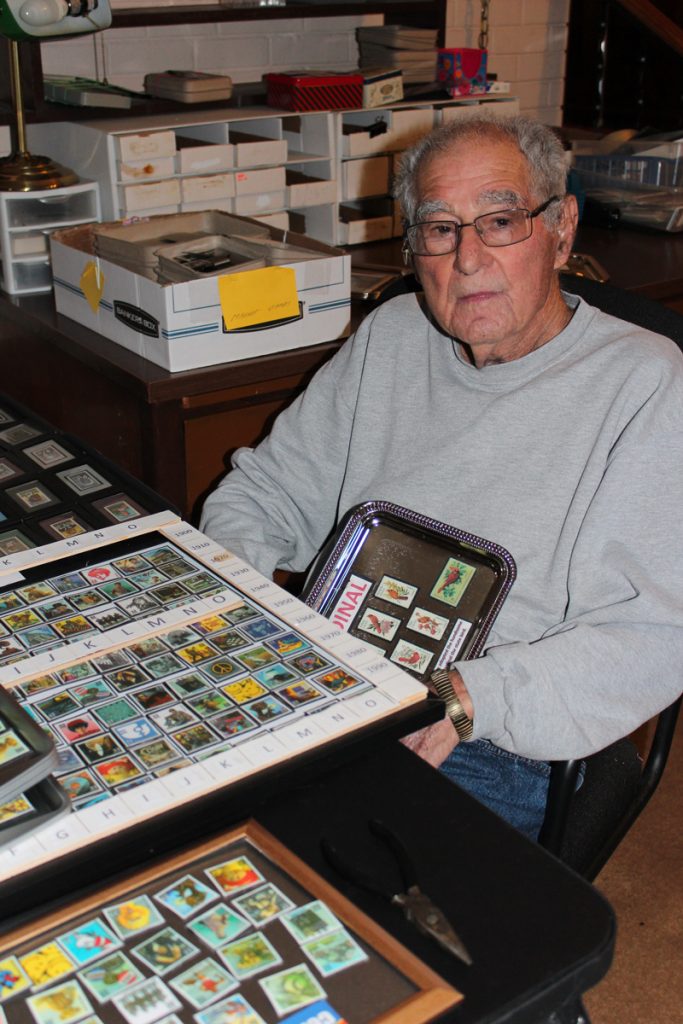
William Rose with stamp collection

He collects postage stamps, too. He remembers digging for stamps in the dumpsters behind the downtown U.S. Post Office building.

Rose’s father was born in Lithuania. His grandfather moved to South Africa to avoid serving in the military, and his father went to live with him when he was 13 years old. Rose’s father and grandfather moved to Jacksonville in 1911 so that his father’s aunt, Ida Feldman, could help raise his father.

“My aunt was extremely wealthy,” Rose said. “In the 1900s, she and her husband, Morris Feldman, owned a lot of downtown Jacksonville property on Bay Street.”

When the aunt died, she left the house that used to be at Post and King in Riverside to Rose’s father. She left the rest of her money to River Garden Nursing Home, Jacksonville Jewish Center and the country of Palestine.

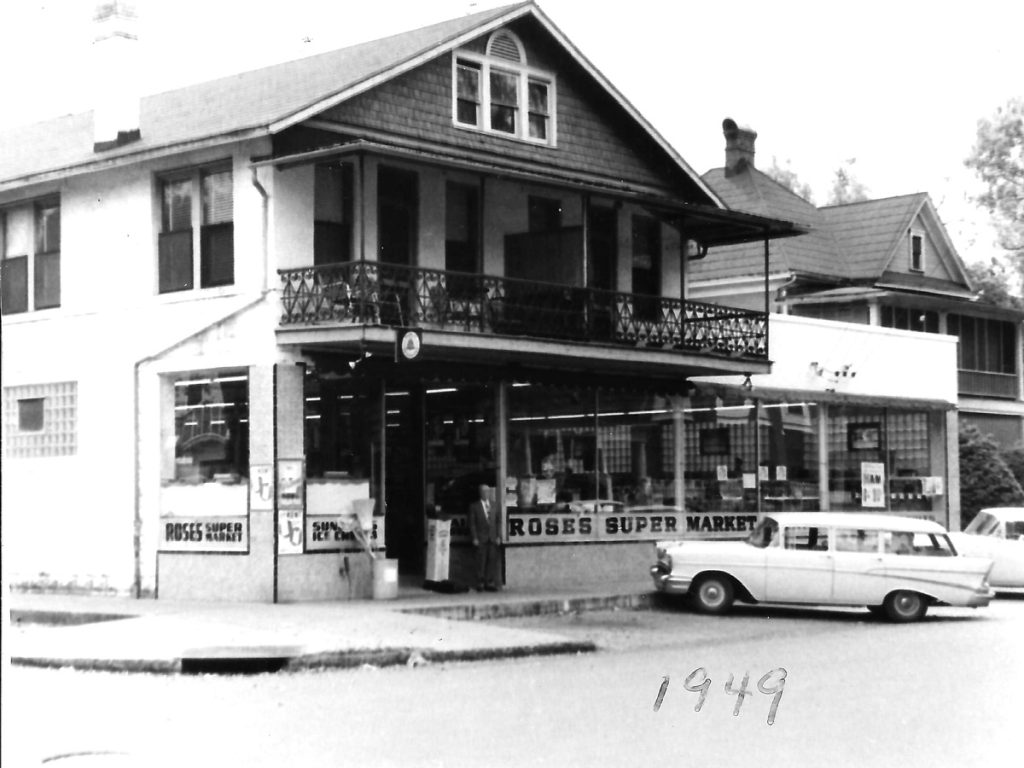
His dad's store, Rose's Super Market, at 6th & Market
His dad’s store, Rose’s Super Market, at 6th & Market

In January 1917, Rose’s father married Bessie Isaacs. In 1919, he opened a grocery store in Springfield at 6th and Market. A Feb. 2, 1935 ad for Rose’s Grocery & Meat Market, at the corner of Sixth and Market streets listed meat prices of 20 cents per pound for homemade pan pork sausage, 15 cents per pound for rump or chuck beef roast and three cans of dog food for 25 cents.

“My father would try to talk guys out of buying cigarettes by telling them that they weren’t good for them,” he said. “He told them that they weren’t made for smoking; they were made for selling.”

William’s father, Max Rose, operated the grocery and meat market for 50 years. In a story that appeared in the Oct. 23, 1972 edition of the Jacksonville Journal, Rose’s father, who was then 81, recalled the early days of operating the store. “In those days you knew everyone, and everyone was your friend,” he said.

Rose’s father had a delivery service as well. “I’d pedal over on a special bicycle with a big basket up front. People would call up for kerosene, and I’d go over, pick up their empty 5-gallon can, fill it and ride back to their house. I made a 10-cent profit on the deal.”

When William was born in 1926, his family lived in the house behind the grocery store. Rose had two older sisters, Mildred Rose Rothstein and Charlotte Rose Fialkow.

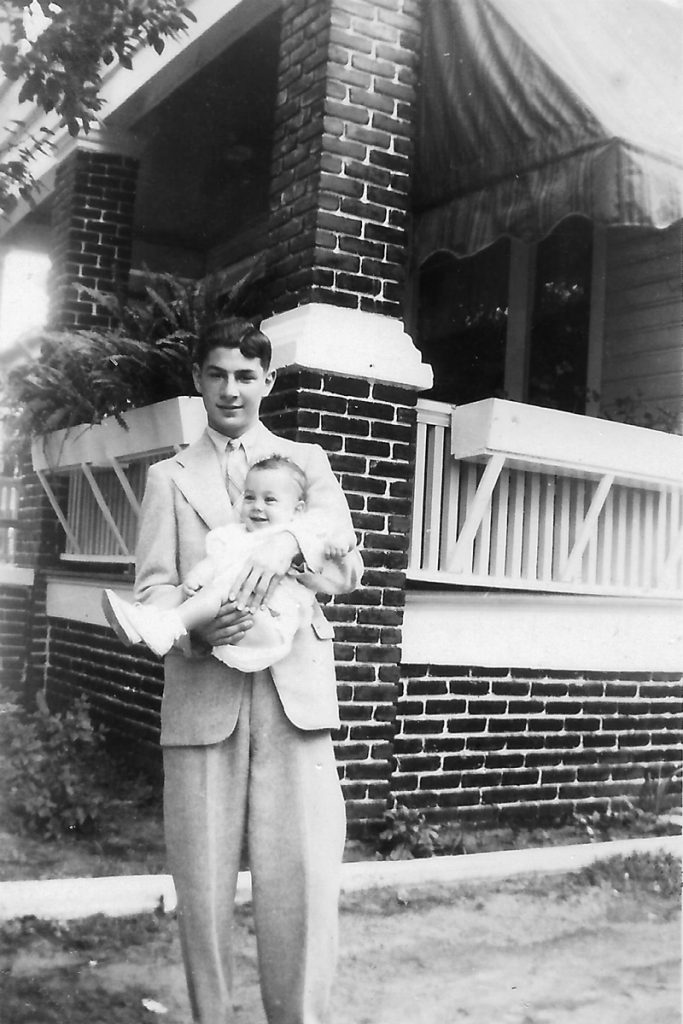
Uncle William holding niece Barbara in 1939 at the family home on 6th Street

“They tell me that my father was so happy to have a son that he added “and Son” to the “Rose’s Grocery Store sign when I was born,” Rose said. “But he took that off before I was old enough to notice it.”

Rose remembers that the streetcar in Springfield used to cost a nickel for one ticket or a dime for three tickets. Cabs cost 10 cents to ride, but they didn’t go everywhere. He had a girlfriend who attended Lee High School. After he finished a school day at Andrew Jackson High School, he would pay 10 cents to take a cab to downtown Jacksonville, and then he had to pay another 10 cents to take a different cab to Lee High School in Riverside.

Rose claims to have visited all of the movie theaters in downtown Jacksonville as well as the Riverside Theater, now called Sun-Ray Cinema, in 5 Points. That theater opened in 1927 and was the first theater in Florida equipped to show talking pictures and had air conditioning.

“I went to many movies at The Florida Theatre,” he said. “I remember Jimmy Knight playing the Mighty Wurlitzer organ in the mid- to late-1930s. The Florida Theatre, built in 1927, was the largest movie palace in Jacksonville and one of only four remaining grand movie palaces of the era in the state.

“I also remember going to the Capitol Theatre on Main Street between 7th and 8th Streets,” Rose said. “My father would give me a dime for the movie and a penny for the gum-ball machine.”

One Saturday in 1934 or 1935, when Rose was eight or nine, he went to the theatre to see what he recalls as “Little Orphan Annie.” When he finally got to the front of the line, he placed a coin on the counter. The cashier said, “Son, the movie is a dime, and this is a penny.” He suddenly realized that he must have put the dime in the gum-ball machine by mistake. “I never did see the movie,” he said.

Rose’s father bought a Pontiac in 1937 from Claude Nolan. “It cost more than $900. I couldn’t believe that it had a radio in it,” he said.

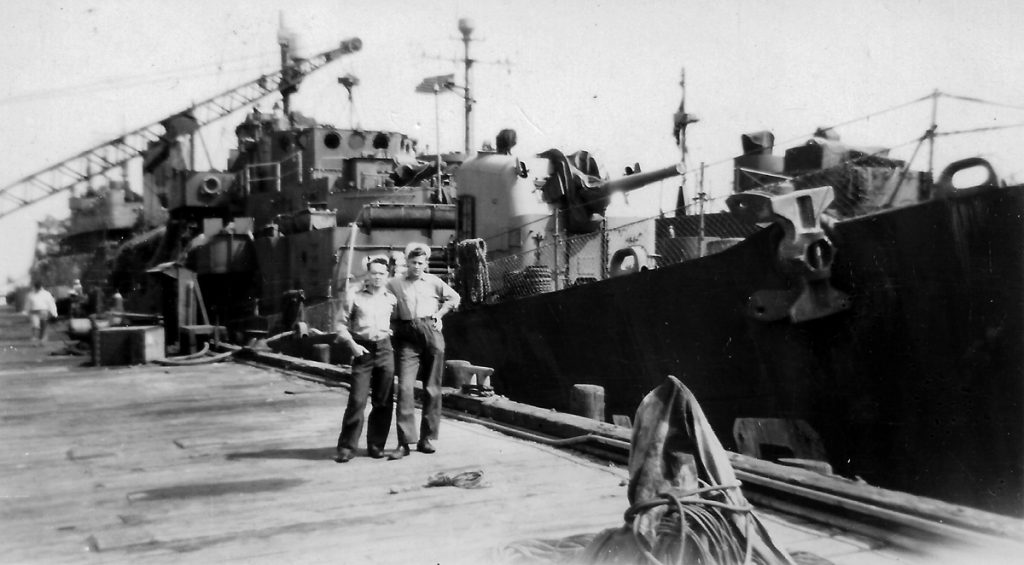
Rose worked for his father in the grocery store until he finished high school and enlisted in the Navy during World War II. He was on the USS Alex Diachenko, which was assigned to the Asiatic-Pacific Theater and participated as a transport ship in the consolidation and capture of the Southern Philippines and Borneo operations.

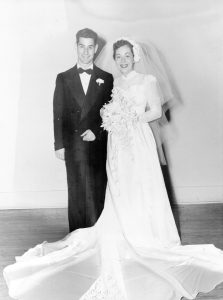
William and Betty Rose, 1951

When Rose came back to Jacksonville after service, he lived with his parents for a couple of years until he married Betty Sager in 1951, also a lifelong resident of Jacksonville. She had graduated from Lee High School and Florida State College for Women (FSU).

With his new bride, Rose bought the house he lives in now on San Amaro Road for $17,000. “People wondered why we wanted to live so far out of town,” he recalled.

He used to walk down the middle of San Jose Boulevard because there was so little traffic. “I remember cars hitting the telephone poles because the kerosene street lamps would go out and they couldn’t see the poles in time,” Rose said. “I used my flashlight to help direct traffic.”

He was working at his father’s grocery store in Springfield when he got married, and his daily commute required traveling from Miramar to Springfield every day.

“I’d buy turnip greens from the produce market, take them home, put them in the yard and sprinkle water on them to keep them fresh,” Rose said. “The next day I’d put them back in my car and take them to the grocery store.”

On Dec. 29, 1963, Rose was on his way to work when he saw smoke coming out of all the windows of the Hotel Roosevelt in downtown Jacksonville. Fire had broken out in the ballroom of the 13-story hotel, one of Jacksonville’s most grand hotels, on Adams Street just west of Main. Twenty-two people died, most from asphyxiation and carbon-monoxide poisoning. Some people escaped to the roof and needed help. Rose told the rescue people to call the Navy to get the people off the roof. “The next day I read in the paper that the mayor had called the Navy,” Rose laughed. “But I think they got the idea from me.”

Rose in the Navy assigned to the USS Alex Diachenko transport ship

When his father became too old to run the grocery store, Rose sold it. His father told him to go see Benjamin Setzer at National Drug Company, who asked him to come to work for him to oversee distribution. Setzer, a Lithuanian immigrant like his father and a former Springfield resident, had operated Setzer’s Supermarkets that became one of Jacksonville’s early grocery chains by the end of the Great Depression.

Then Rose worked for his brother-in-law’s wholesale grocery, the Hymie Fialkow Company. His brother-in-law eventually sold his grocery to Sysco Corp., where Rose worked as senior marketing associate until his retirement 17 years later.

After he retired, he volunteered in gift shops. He noticed framed stamps that were selling for $25; the stamp was worth 25 cents. He thought would be a good way to get rid of his stamps at flea markets. He also makes kitchen magnets out of postage stamps and has earned the moniker of “The Stamp Man.”

After 30 years of service in the Department of Children & Families, Betty retired and devoted many hours volunteering for her synagogue, the Jacksonville Jewish Center, Hospice and Bikkur Cholim. The couple were married for 57 years before Betty passed away in 2008 and had two daughters, Margaret Rose and Allison Rose Holtz.

Both Betty and William were active in the Jacksonville Jewish Center and the center’s synagogue for many years. Betty volunteered in the office and William made sure the right prayer books were in every one of the 375 seats.

Age has caught up with Rose leading him to decide to quit driving, which means he won’t be going to the flea market any longer. But, he still intends on continuing to frame stamps. “It keeps me busy and I love doing it,” he said.

The Way We Were: Dr. Maria Acosta-Rua

BY KAREN RIELEY
PUBLISHED IN JANUARY 2018 ISSUE OF THE RESIDENT NEWS – http://residentnews.net/2017/12/05/youth-learns-lessons-homelessness-7th-annual-cardboard-city/

Dr. Maria Acosta-Rua and her late husband, Dr. Gaston Acosta-Rua, have never forgotten their past even as they contributed so much to their Jacksonville community. Theirs is truly an international tale, in which they have intertwined their Spanish and American lives to the benefit of both.

AcostaRua_01-200x300
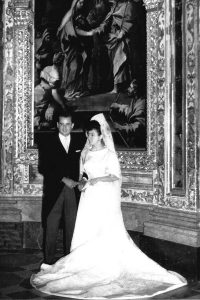
Acosta-Rua wedding in front of “The Marriage of the Virgin Mary and St. Joseph” in the Monastery of Guadeloupe

As soon as they graduated, he moved to Miami to work hard, save money and take his Educational Council for Foreign Medical Graduates (ECFMG) exam, but he promised he would come back for her in Madrid in a year. He kept his promise, and they were married two weeks later in the Monastery of Guadeloupe, because he had to start an internship in Cleveland very soon.Gaston Acosta-Rua and Maria Victoria Pol Gimenez met in Madrid in their last year of medical school. Gaston was a counter-revolutionary who escaped from Cuba, and Maria was from Madrid.

Maria found herself in a new country, with a new husband who worked rotation in the hospital every other night, in what seemed to her to be gloomy Cleveland compared to Madrid, where she remembers people always out in the streets visiting with each other. She became pregnant almost immediately so that meant she would soon be a new mother in addition to being a young wife.

“It was a real cultural shock for me, and I felt very lonely and depressed,” Maria said. But, once Gaston Jr. was born, she had someone to care for and occupy her time. She began to meet people in the neighborhood when she took baby Gaston out for walks.

As she gradually adjusted to her new life, she started thinking about her own career and studying to take ECFMG exam herself.

“It was not an easy task,” Maria said. “The exam was in English and included subjects from all of the medical school courses, which I had studied in Spanish.” But she persevered and became a “real” doctor.

In 1967, Gaston moved to Iowa City to start his neurosurgical residency. Maria and Gaston Jr. stayed in Cleveland until she completed her internship the following June.

AcostaRua_04-200x300
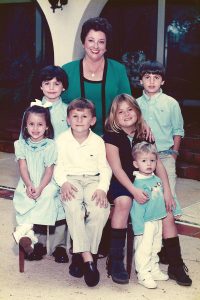
Maria Acosta-Rua with her grandchildren: Somerset (seated), Alex and Daría (in the front), Andrew (standing), Mills and Fernando Jr. (back), circa 2005

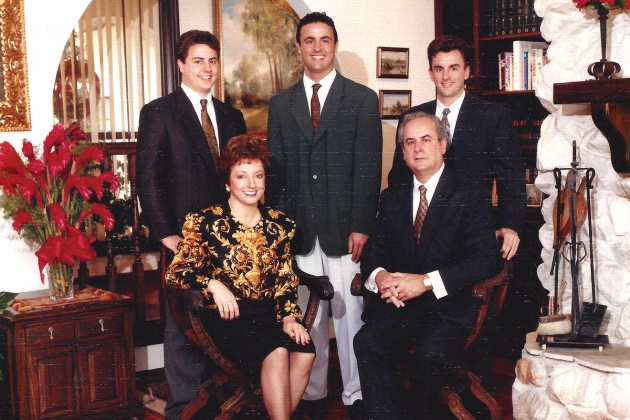
Gaston Jr. now lives in Connecticut with his wife, Lianne. Fernando was born soon after they moved to Iowa and right before Maria began her child psychiatry training. He lives in Jacksonville and is the CEO of Pet Paradise. Tony, who was born when Maria was mid-way through child psychiatry training, lives in Costa Rica with his wife, Adriana. Maria now has six grandchildren – three each by Gaston Jr. and Fernando.

After completing their training, they wanted to move to Florida. Like most Cubans, Gaston hoped he could return to Cuba someday and Florida was as close as he could get us to Cuba,” Maria said.

They thought they would move to Miami, but Gaston’s chief resident in Iowa, Dr. Tom Boulter, who was by then practicing in Jacksonville, found him a position with Lyerly Neurosurgery in Riverside.

The doctor rented a house for them on Ortega Boulevard, and they ended up liking the neighborhood so much that after two years they bought a house on Long Bow Road, where they lived from 1975 to 1981. Next, they moved to Ortega Forest, where Maria still lives.

After moving to Jacksonville, Maria was determined to put her education to work. In 1973, she started her child psychiatry practice on Oak Street in Riverside.

She was a pioneer as the very first child psychiatrist in Jacksonville. She worked the longest with children at Daniel Kids and has also worked with many other nonprofits that provide services to children, for example, Youth Crisis Center, Florida Baptist Children’s Homes, Child Guidance Center, Children’s Home Society, the Florida School for the Deaf & Blind, Jacksonville Youth Sanctuary, Northeast Florida State Hospital and Boys Home Association of Jacksonville, in addition to her own private practice. For the last 15 years of her career, Maria worked with foster children.

“I started the first day treatment facility for emotionally disturbed children with St. Vincent’s and the school system, and then I started a children’s psychiatric ward with Baptist,” said Maria, who retired three years ago.

AcostaRua_02-300x200
Gaston Acosta-Rua relaxing on the porch of his Costa Rican farm

Maria shares Gaston’s story of escaping from Cuba. “He was 21 years old and working underground against Castro,” she said. “The government was looking for him to put him in prison.”Maria is very proud of the work her husband did, not only in Jacksonville, but in Mexico, Costa Rica and Africa as well. “Gaston was an excellent neurosurgeon and worked in every hospital in Jacksonville,” she said. “He did missionary work for more than 20 years. Going with a Mercy Ship to Africa in 1995 was the highlight of his life.”

He was introduced by his mother to Fidel Castro’s sister, who was anti-Communist. She arranged for Gaston to get on a plane out of Cuba, rather than having to escape by boat. After a brief stay in Costa Rica, Gaston eventually traveled to Miami.

Gaston returned to Cuba only once in 1998. He traveled with a Catholic organization called the Order of Malta to bring wheelchairs to Daughters of Charity for the home they were running for severely handicapped children and adults.

The Acosta-Ruas have contributed much to Jacksonville’s medical sector. “Even now, when I sign something people often recognize the last name and remember that one of us helped them,” Maria said.

Gaston kept feeling drawn to help people in Costa Rica, so much so that he bought a farm there. He helped with medical and social contributions.

In 2002, Gaston was diagnosed with pancreatic cancer. As physicians, Maria and he both knew that this meant the end. “He was never in hospice,” Maria said. “Gaston knew what was coming and was determined to live each day to the fullest.”

He went back to work, played tennis and decided to write about his childhood and his experiences in Cuba, his escape and his memories of life for his children and grandchildren. He also established the Acosta-Rua Family Foundation, with the mission to relive the burden of the poor and the sick, both locally and in Latin America.

AcostaRua_05-300x200
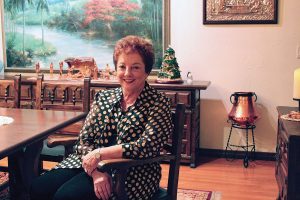
Maria Acosta-Rua relaxes at home in Ortega Forest.

Gaston passed away seven months after he was diagnosed. After his death, their son, Fernando, became involved with Community Hospice & Palliative Care. He is presently the chairman of organization’s Board of Directors and a member of its foundation. The Acosta-Rua family made a naming gift for a new 16-bed center called “The Dr. Gaston J. Acosta-Rua Center for Caring” in Gaston’s memory.

Fernando and his wife, Brooke, have held seven fundraising events called “A Sunset in Costa Rica” to benefit both the Children’s Hospice in Costa Rica, and Community PedsCare (pediatric hospice and palliative care) in Jacksonville. When a second hospice was built recently in Costa Rica, it was named “Doctor Gaston Acosta-Rua Center.”

At the time of this interview, Maria and various other friends and workers were busily preparing for the Acosta-Rua family’s annual celebration of Gaston’s escape from Cuba. They used to hold the event on the actual date of his escape, Dec. 28, but now they hold it earlier in the month when it is most convenient. Fernando and Tony roast a whole pig outside. Maria prepares black beans, rice and salad for more than 100 people.

When Maria and Gaston first moved to Ortega Forest, mostly Cuban friends attended, but now friends of their children and their families are the majority of those attending. Many of them are Bolles alumni because all three sons played football for and graduated from the private school in the San Jose area on the St. Johns River. Tony also played Bolles baseball. Fernando is currently a member of Bolles’ Board of Trustees.

The Acosta-Ruas Spanish-style home built in 1981 and Spanish furnishings that they collected from their many trips are the perfect backdrop to the event and reflect their commitment to giving back to help people from the communities of their past and present.

The epigraph in Acosta-Rua … Las Memorias, written by Gaston and Maria Acosta-Rua with Susan D. Brandenburg, exemplifies the Acosta-Ruas’ lives: “To be ignorant of what occurred before you were born is to remain always a child for what is the worth of human life unless it is woven into the lives of our ancestors by the record of history.” (Cicero 106 BC)

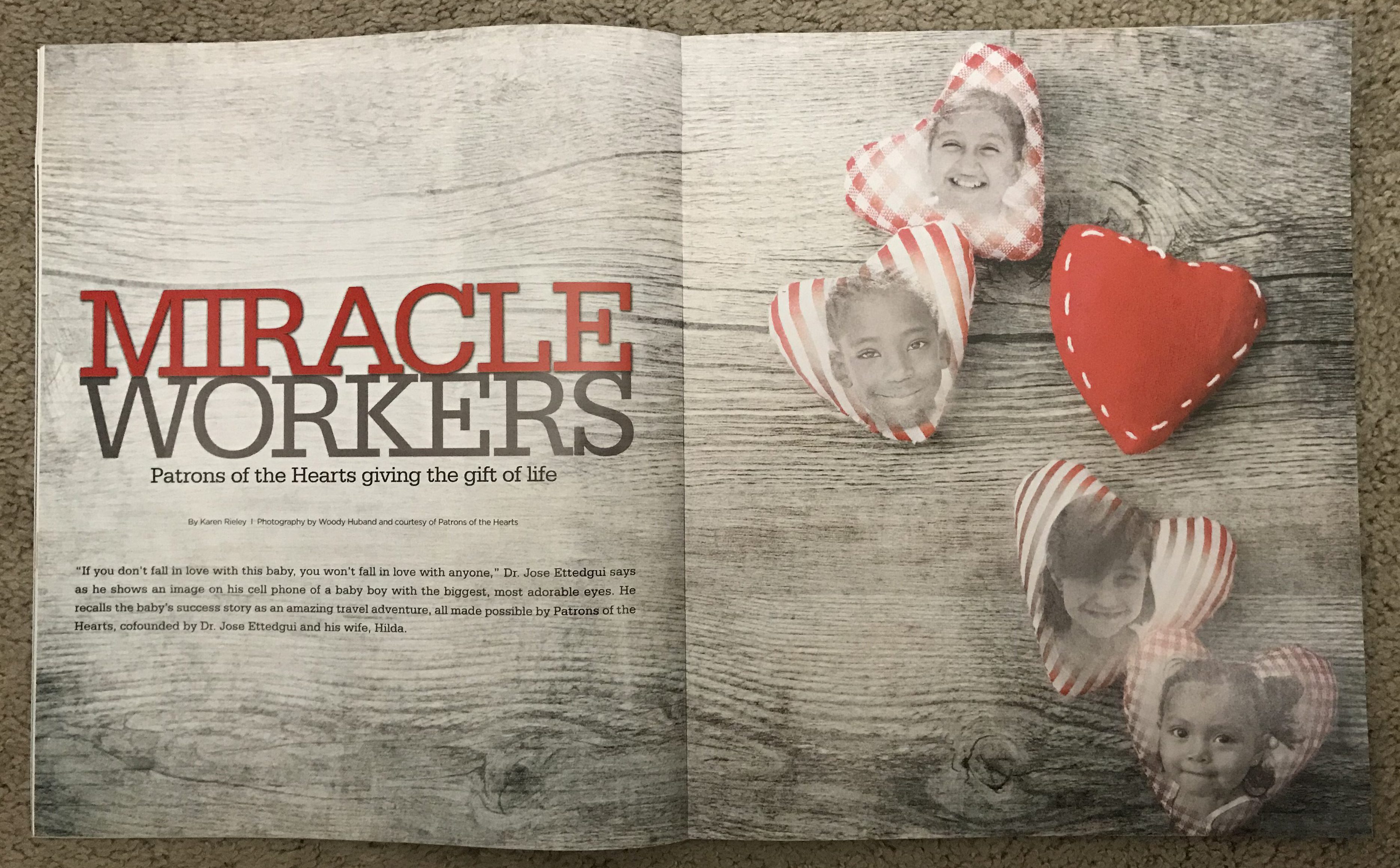
Miracle Workers: Patrons of the Hearts Giving the Gift of Life

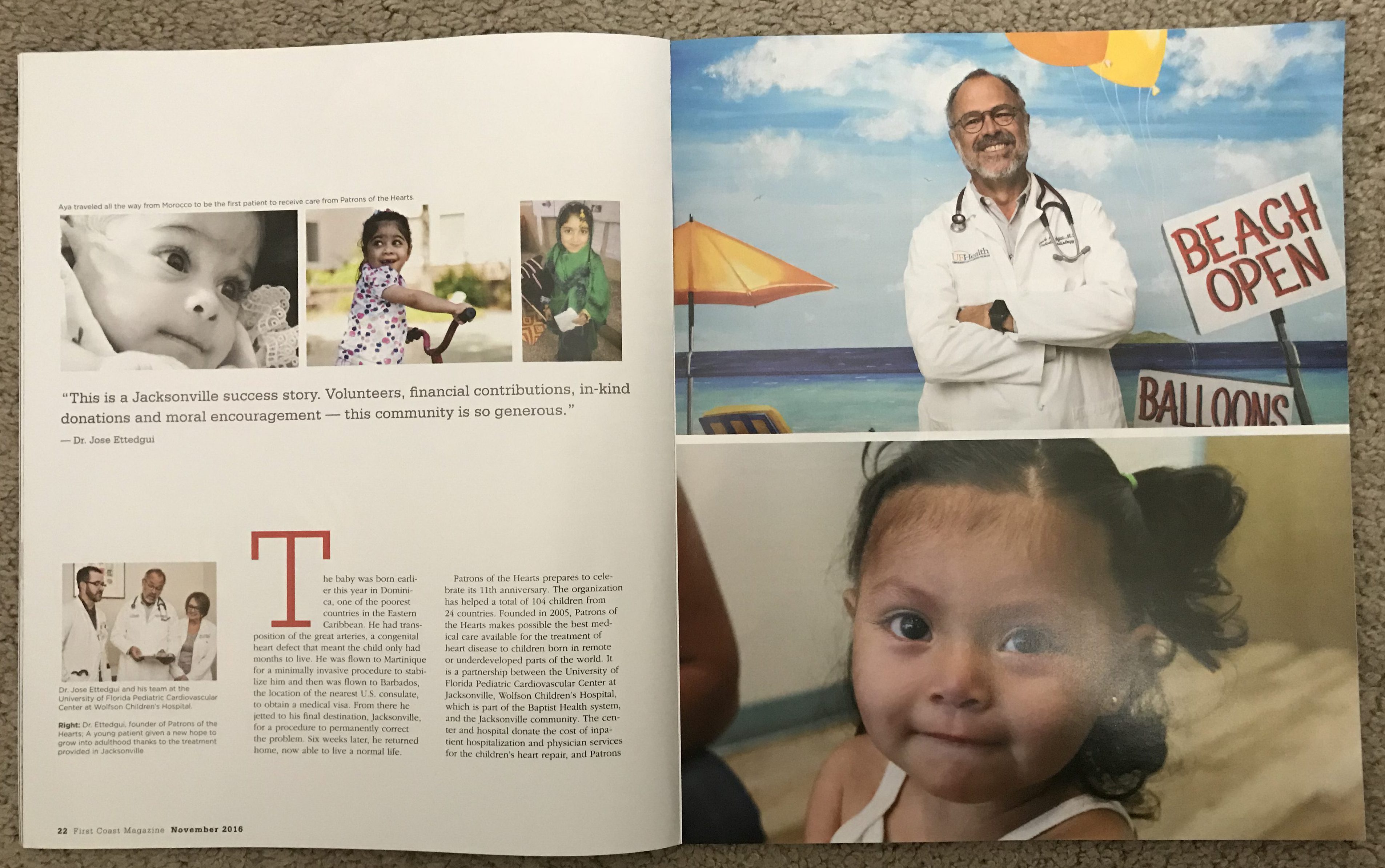
ettedgui-familyMy fifth story appeared in the “High Tide Features” section of First Coast Magazine and was the longest one I’ve been asked to write for the magazine to date. It was very special to write, because the Ettedjuis are such a wonderful couple – they have had the means, influence, talent and passion to help so many children with heart defects from around the world. I hope you take the time to read about this special couple and their wonderful organization, Patrons of the Hearts.

The baby was born earlier this year in Dominica, one of the poorest countries in the Eastern Caribbean. He had transposition of the great arteries, a congenital heart defect that meant the child only had months to live. He was flown to Martinique for a minimally invasive procedure to stabilize him and then was flown to Barbados, the location of the nearest U.S. consulate, to obtain a medical visa. From there he jetted to his final destination, Jacksonville, for a procedure to permanently correct the problem. Six weeks later, he returned home, now able to live a normal life.

Patrons of the Hearts prepares to celebrate its 11th anniversary. The organization has helped a total of 104 children from 24 countries. Founded in 2005, Patrons of the Hearts makes possible the best medical care available for the treatment of heart disease to children born in remote or underdeveloped parts of the world. It is a partnership between the University of Florida Pediatric Cardiovascular Center at Jacksonville, Wolfs Children’s Hospital, which is part of the Baptist Health system and the Jacksonville community. The center and hospital donate the cost of inpatient hospitalization and physician services for the children’s heart repair, and Patrons of the Hearts covers the supplies, housing and incidentals for each child, an average of $5,000 per child. The physicians and nurses and other medical staff donate their services as well.

“It has been an extraordinary 10 years,” Jose says. “From the first year, 2006, when our hope was to bring in one or two children and we actually brought six, to now, when we’re averaging 10 to 12 a year, it has been a beautiful experience.”

The Ettedguis moved to Jacksonville in 2002. The next year Jose went on a mission trip to Kenya. The medical team hoped to put their expertise to good use in treating children with heart problems.

“The outcome was not as good as we wanted,” he says. “We found that trying to deliver very complex, sophisticated care in an environment that had little to no infrastructure to support our work meant that the children didn’t fare well after surgery. We knew that the children would have done better here, so we changed model.

Jose remembers the first baby they brought as the most challenging case. Aya was six months old and from Morocco. She had an initial operation for chronic heart failure, from which she recovered well. As planned, Aya had a second operation two-and-a-half years later. Afterwards, she became very sick and nearly died. She slowly recovered, however, and a few years after that, she had a third and final procedure. Jose reports that she is 11 now and doing very well.

The Ettedguis are quick to give credit to the whole community. “This is a Jacksonville success story. Volunteers, financial contribution, in-kind donations and moral encouragement – this community is so generous,” he says.

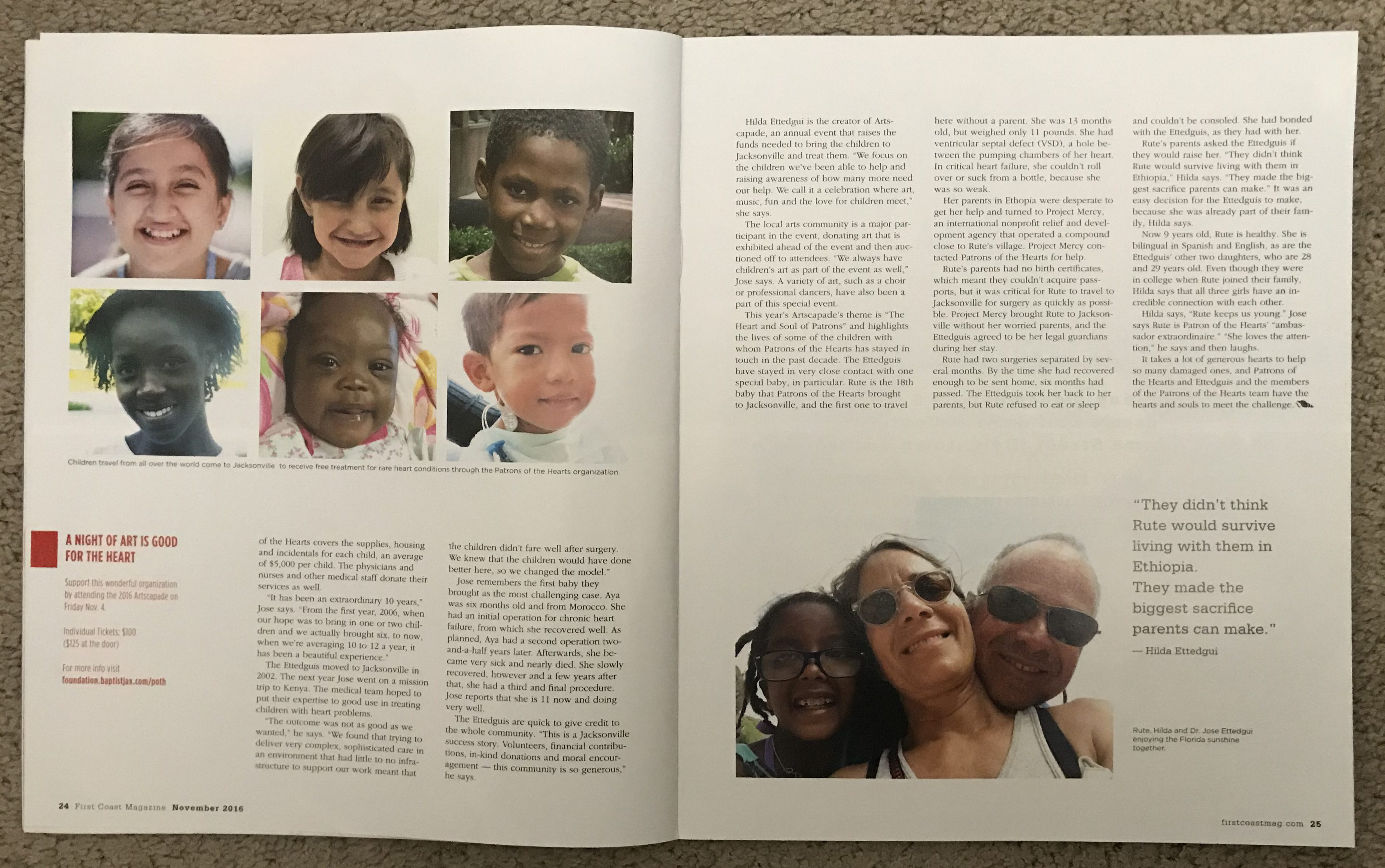
Hilda Ettedgui is the creator of Artscapade, an annual event that raises the funds needed to bring the children to Jacksonville and treat them. “We focus on the children we’ve been able to help and on raising awareness of how many more need our help. We call it a celebration, where art, music, fun and the love for children meet,’ she says.

The local arts community is a major participant in the event, donating art that is exhibited ahead of the event and then auctioned off to attendees. “We always have children’s art as part of the event as well,” Jose says. A variety of art, such as a choir or professional dancers, have also been part of this special event.”

This year’s Artscapade’s theme is “The Heart and Soul of Patrons” and highlights the lives of some of the children with whom Patrons of the Hearts has stayed in touch in the past decade. The Ettedguis have stayed in very close contact with one special baby, in particular. Rute is the 18th baby that Patrons of the Hearts brought to Jacksonville and the first one to travel here without a parent. She was 13 months old but weighed only 11 pounds. She had ventricular septal defect (VSD), a hole between the pumping chambers of her heart. In critical heart failure, she couldn’t roll over or suck from a bottle, because she was so weak.

Her parents in Ethiopia were desperate to get her help and turned to Project Mercy, an international nonprofit relief and development agency that operated a compound close to Rute’s village. Project Mercy contacted Patrons of the Hearts for help.

Rute’s parents had no birth certificates, which meant they couldn’t acquire passports, but it was critical for Rute to travel to Jacksonville for surgery as quickly as possible. Project Mercy brought Rute to Jacksonville without her worried parents, and the Ettedguis agreed to be her legal guardians during her stay.

Rute had two surgeries separated by several months. By the time she had recovered enough to be sent home, six months has passed. The Ettedguis took her back to her parents, but Rute refused to eat or sleep and couldn’t be consoled. She had bonded with the Ettedguis, as they had with her.

Rute’s parents asked the Ettedguis if they would raise her. “They didn’t think Rute would survive living with them in Ethiopia,” Hilda says. “They made the biggest sacrifice parents can make.” It was an easy decision for the Ettedguis to make, because she was already part of their family, Hilda says.

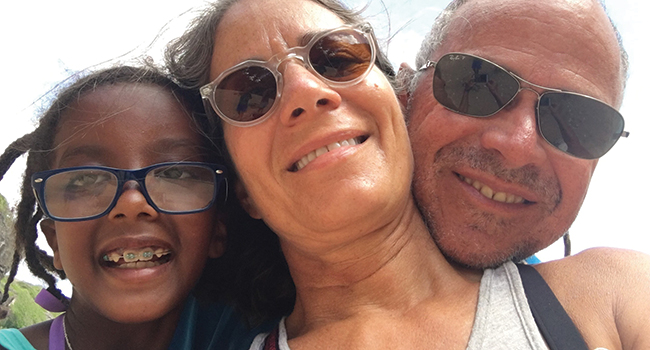
Now 9 years old, Rute is healthy. She is bilingual in Spanish and English, as are the Ettedguis’ other two daughters, who are 28 and 29 years old. Even though they were in college when Rute joined their family, Hilda says that all three girls have an incredible connection with each other.

Hilda says, “Rute keeps us young,” Jose says Rute is Patron of the Hearts’ “ambassador extraordinaire,”

“She loves the attention,” he says and then laughs.

It takes a lot of generous hearts to help so many damaged ones, and Patrons of the Hearts and Ettedguis and the members of the Patrons of the Hearts team have the hearts and souls to meet the challenge.

Tradition is in Full Bloom at Kuhn Flowers

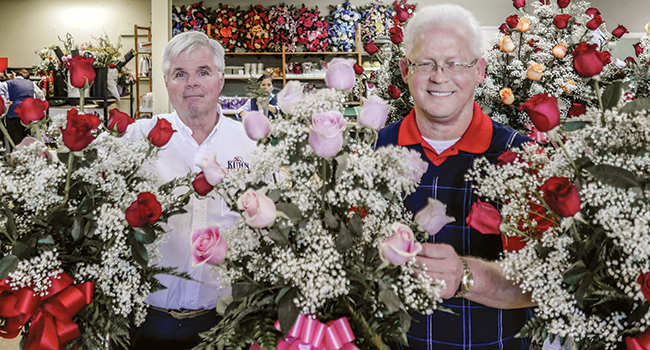
kuhnMy article #4 for First Coast Magazine appeared in its February 2016 issue. I was asked to write about a Jacksonville institution – Kuhn Flowers. The floral shop was long-established before I moved to Jacksonville in 1978, and its history is one of a true love story, most fitting for the month of roses, sweet nothings and romance. Read more here.

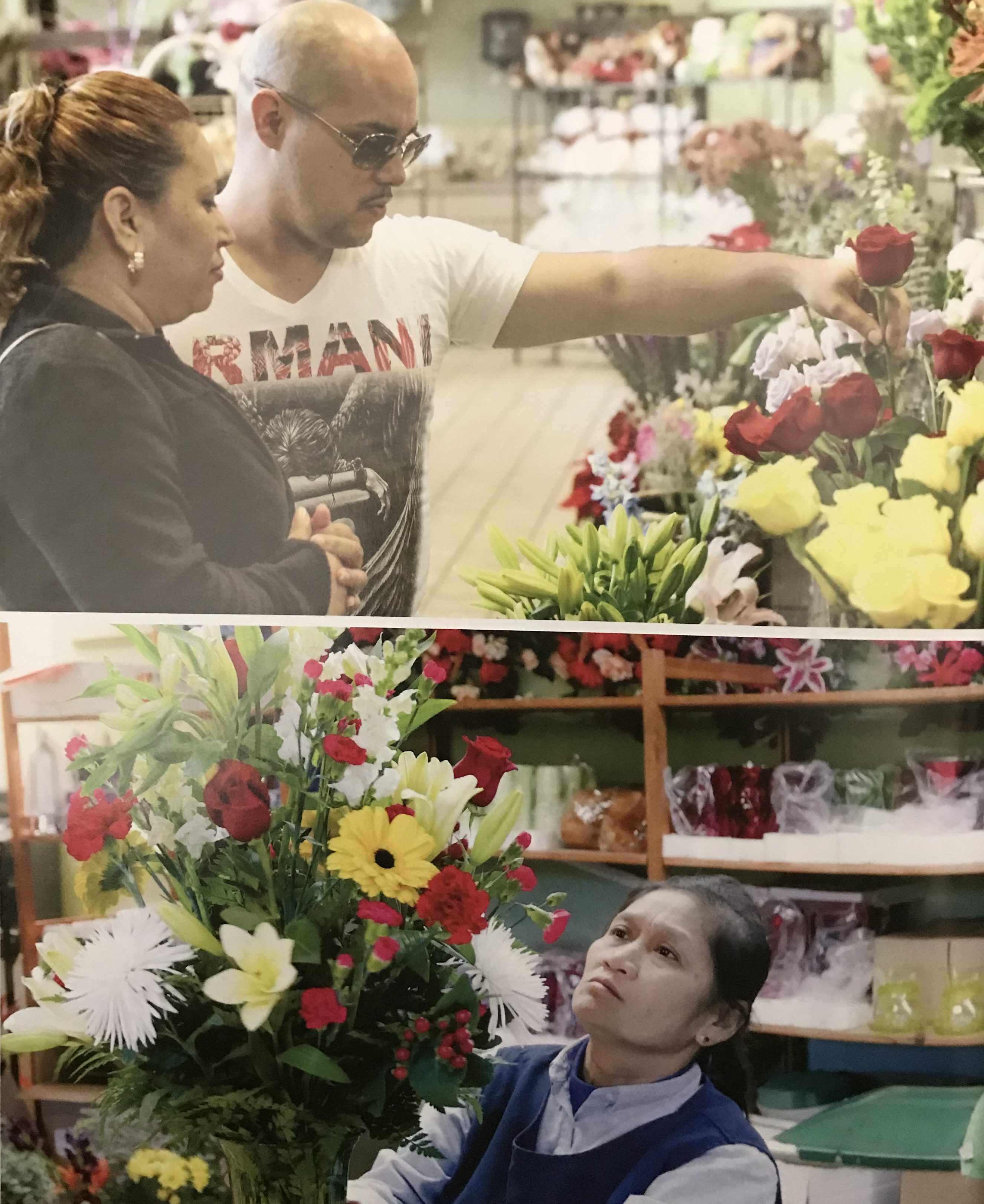
Valentine’s Day is Kuhn’s largest volume day, with more than 2,000 deliveries out of the Beach store alone. That requires 150 delivery people and 150 delivery vehicles. The store’s large volume allows it to buy flowers directly from growers, not via wholesalers, from around the world.

Kuhn Flowers was built with love. Nancy was the floral designer, and Bob Kuhn marketed and managed the business. Bob had worked in greenhouses as a kid, so opening Kuhn Flowers was a natural next set for him. Nancy and Bob married, and Kuhn Flowers became their life. It was the only business they ever owned. Bob bought up a number of smaller floral shops and rolled them into Kuhn Flowers after he relocated to Beach Boulevard in 1958. The Ponte Vedra Beach store is Kuhn’s only branch. “They both worked every day until they were about 70,” Howard says. They retired in 1984.

While no Kuhn family member is still a part of the business, traditions started by Nancy and Bob Kuhn 68 years ago, in the store’s first location in downtown Jacksonville, are still kept alive today. The seasonal celebration in Kuhn Flowers’ two-story storefront window is a Jacksonville destination, not just for locals, but regionally as well. Christmas decorations are up by Nov. 1 and stay up for 60 days.

“It used to be a tradition for many families to have Thanksgiving dinner and then pile everyone in the car to come see our Christmas window,” Howard says. McCall has revived the Kuhn window tradition for holidays. Santa has visited the store for the past seven years for children to have photos taken. “We hope to have the Easter Bunny visit as well,” McCall says. And, at Halloween, the employees dress up in costumes. And of course, there is a rose in every arrangement that leaves the store on Valentine’s Day. Both McCall and Howard buy their daughters flowers every Valentine’s Day. They do this to set an example for them, illustrating how women should be celebrated by the men in their lives.

“My best advice to a guy is to start now developing a personal relationship with a floral shop that delivers,” McCall says. “Then, the week before Valentine’s Day, he can call the store to have flowers delivered to his girl on Wednesday or Thursday before Sunday’s Valentine’s Day. This gives her plenty of time to show off to her girlfriends how much she is loved.”

The Classic Bar Cabinet offers exquisite entertaining

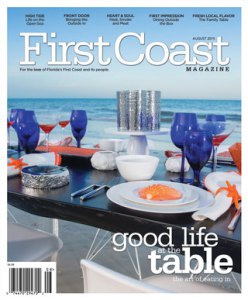
My third First Coast Magazine story has hit the streets! You can read about the classic bar cabinet as an essential piece for entertaining made famous first by David C. Rockola in the “Front Door” section of the December issue.

BarCabinetBkgd
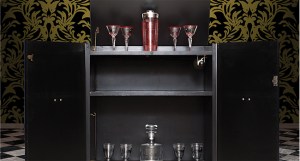
Lisa McVie would be glad to show you this original, black, 1930s Rock-Ola bar cabinet with a red interior that houses alcohol, glassware and barware alike. The Rock-Ola label is carved into the back. The furniture is displayed in her space at Avonlea Antiques & Design Gallery on Philips Highway.

Here is the my original article as submitted to the magazine. It was shortened by editors to meet space requirements.

Thirteen years after Jay Gatsby’s fateful summer of 1922 in The Great Gatsby, David C. Rockola, inventor of the RMC jukebox, filed a patent for a “new, original and ornamental design for a Bar Cabinet,” that would have knocked the stylish dress socks off Gatsby. Lisa McVie would be glad to show you this original, black, 1930s Rock-Ola bar cabinet with a red interior that houses alcohol, glassware and barware alike. The Rock-Ola label is carved into the back. The furniture is displayed in her space at Avonlea Antiques & Design Gallery on Philips Highway.

Rockola, who changed his name to Rock-Ola, because so many people mispronounced it without the hyphen, went on to make many styles of bar cabinets, scales, parking meters, pinball machines and furniture. He was best known, however, for his coin-operated jukeboxes.

Some blame the decline of cocktails and highballs on Prohibition. Despite the law that made alcoholic beverages illegal, cocktails were still consumed in speakeasies. However, the quality of liquor available during Prohibition was much worse, because focus shifted from quality aging to ease of producing liquor illicitly. Honey, fruit juices and other flavorings served to mask the foul taste of the inferior liquors. Sweet cocktails were easier to drink quickly and disguised the presence of liquor, an important consideration when the establishment might be raided at any moment. Cocktails that were popular in the 1960s, 70s and 80s lost their elegant status once they were prepared with sugary pre-made mixes that skimped on quality.

But today, craft cocktails focus on fresh juices and ingredients, and their status has been revived. With the craft cocktail revolution in the last decade, sophisticated bars as discreet as speakeasies are making a comeback as well. As with Gatsby in the 20s, the ad men of, well, “Mad Men” in the 60s and the women of “Sex in The City” in the 90s, it’s not just about drinking; it’s about the ritual, the exquisite lifestyle and the desire to treat guests special, especially during the holidays.

“Would you like something from the bar – a gin Martini, Mint Julep, Manhattan, Old-Fashioned, perhaps a Sidecar, Stinger or Rusty Nail? Why, certainly, I have all the makings right here.” <Clink> Here’s to your holidays being the most special ever.

Living centerpieces feature coastal plants

IMG_1531
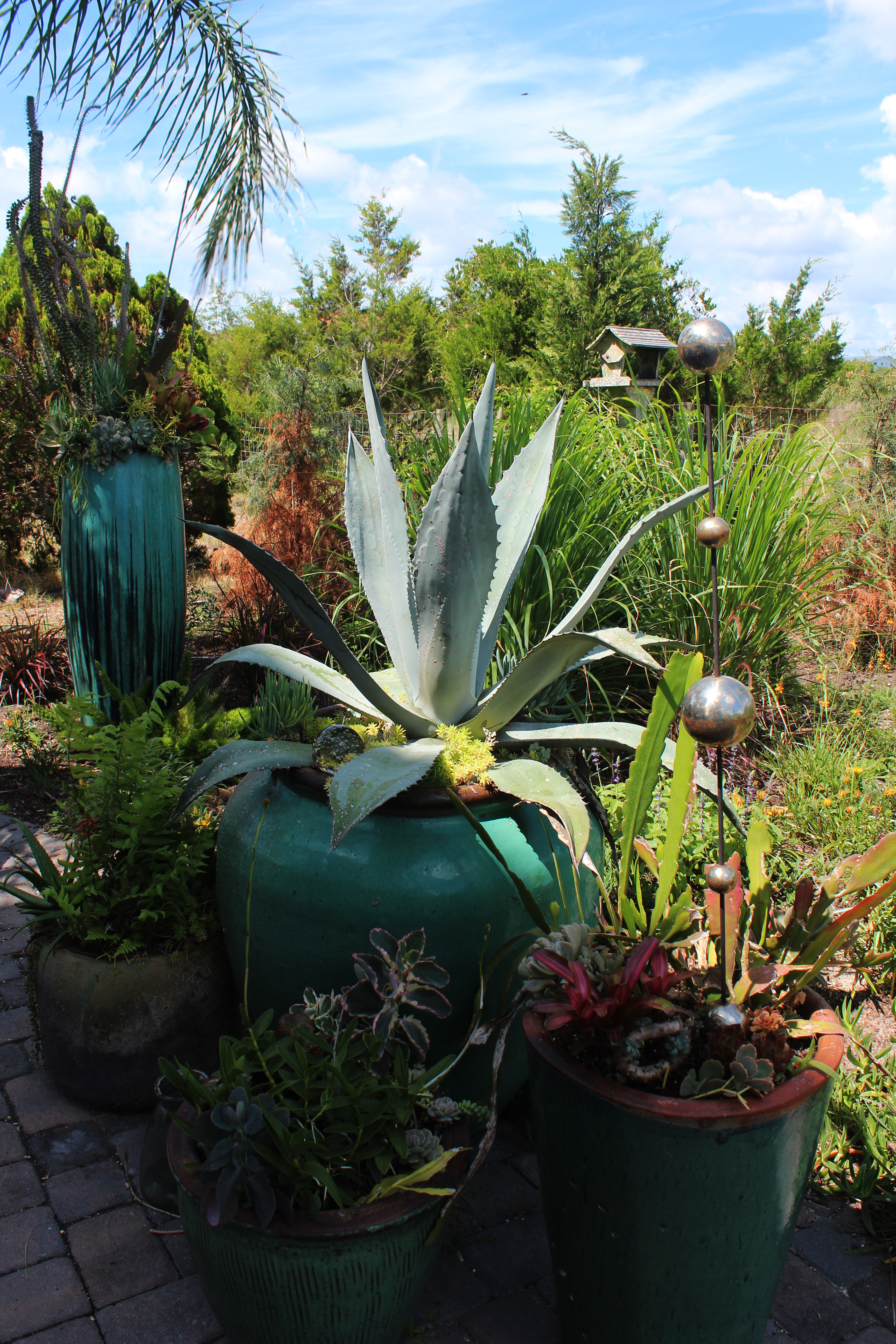
Philip takes advantage of a backyard filled with native landscaping and large pots filled with native plants to create his living centerpieces. I snapped a photo of some of the more interesting plants.

My second article for First Coast Magazine is in the Front Door section of its August issue! Read about “Living Centerpieces.”

I may try making my own for our next dinner party. Philip and Chris were fun to interview, and their work is creative and exciting. I enjoyed watching Philip spontaneously gather native plants from the backyard and experiment with shapes, colors, textures and sizes. He used jars and vases he had around the house and grouped them together with plants in them and around them. Chris is about to graduate from the University of North Florida, my most recent alma mater, with a degree in finance. He plans to continue working with Philip in Rockstar Gardens.

You can read my original version of the story here.

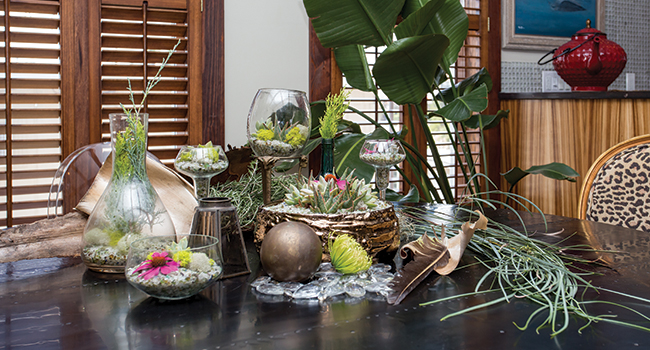
Create a succulent centerpiece for your dining room table. Sounds more interesting and natural than the usual vase of cut greenhouse flowers, but where to begin? Philip Standifer, owner of Rockstar Gardens, makes the whole experience a freeing process, and you feel better about your connection with the plant world, to boot.

There are only a couple of rules to remember. Placement, space and scale are important. Use natural, native and arid plants that don’t need or want water because they’ll last longer.

Beyond that, anything goes. Throw a handful or two of crushed, recycled glass pieces into some interesting glassware or vases, start placing a variety of native plants in the bottom paying attention to varying heights and complementary colors (Standifer prefers a palette of greens, gold, purples and reds), add some interesting plants – shoestring acacia with long, willowy leaves, bamboo cuffs and palm boots – around the glassware and voila! You have created a conversation-starting centerpiece.

Where do you find the materials? You may find them at some local garden shops, and Rockstar Gardens can recommend other shops. You can go roaming and try to find the native plants you want, what Standifer calls “wild harvesting” or “foraging.” Just make sure you aren’t doing so on protected land or private land without permission.

Preferably, you have thought ahead about your love of entertaining by incorporating native landscaping into your yard – good for the environment and always available, free of charge, once you’ve paid the initial cost of planting.

Supplies

Setting the stage:

  • Crushed, recycled glass pieces
  • Various sizes of glassware, pitchers and vases
  • A small tool (knife or tweezer, perhaps) to manipulate the plants in the glassware

The props:

  • Reindeer moss – not actually a moss, but instead a light-colored, fruticose lichen
  • Chartreuse moss – a type of reindeer moss with a beautiful golden green color
  • Echeveria – rosettes ranging in size with colors from white to orange to pink to red
  • Retro succulent – rosettes of pale green foliage stippled in creamy white, with coral-fringed leaf edges.
  • Purple coneflower – showy, easily grown garden plant
  • Shoestring acacia – evergreen with weepy branches
  • Agave
  • Lavender
  • Palm boots and bamboo cuffs – remnant wooden bases
  • Bamboo cuffs
  • Spanish moss
  • Pelican feather – Standifer promises that no bird was hurt in the design of this centerpiece!

centerpieces1

About Philip L. Standifer:

Philip L. Standifer exudes free spirit, creativity and passion for all things in nature. He is a freelance horticulturist and garden designer, combining “aesthetic manipulation,” as he calls it, with his knowledge of plant behavior, the result of a bachelor’s degree in ornamental landscape horticulture from Auburn University, Alabama. Rockstar Gardens is his growing business.

Standifer moved to Fernandina Beach 11 summers ago after working in landscape and garden shops in Atlanta and then Savannah. A network of friends helps him reach his horticulture goals. Chris Igou, a University of North Florida finance major, handles Rockstar Gardens’ finances and is a co-designer. Carolyn Carr, who was a marketer and is now a consultant for Coca-Cola helps Standifer with the marketing of his business. And Gogo Ferguson, with her unique nature jewelry inspired by Cumberland Island flora and fauna that she transforms into wearable art, is his muse.

“Cumberland Island is a true virgin study – no pollution, largely unspoiled and some of it private property in which I can forage,” Standifer said.

Standifer plans to open a shop that will include native plants and a clothing line, offer tours and launch a lecture series. For now, you can view some of his designs and ask questions by visiting http://www.rockstargardens.com.


Standing on the Shoulders

I want to take the opportunity to thank the members of my Advancement Team, especially Tom Strother, who was the LSS communications director, and others who worked with us during the years of the food bank’s rapid growth, for their extraordinary and exemplary work. Their efforts paved the way to enable the LSS Second Harvest food bank to grow from 6 million pounds distributed and $400,000 raised in 2004-05 to nearly 23 million pounds and more than $2.5 million raised in 2012-13.

It was an once-in-a-lifetime opportunity to have been a part of herculean efforts to improve the quality of life for people who are struggling in our community. The momentum of our collective efforts from 2004 to 2013 will enable Feeding Northeast Florida to eventually surpass 23 million pounds of food distributed and head toward the 40 million pound goal established by LSS.

The team rose admirably to the challenge of educating the community about why people may be hungry and inspiring the community to take an active role in solving the issue. We were fortunate to work with fantastic community partners – private foundations; major corporations; city, county and state government leaders; and thousands of individual donors and volunteers – who put their money to work to help us achieve great goals from which Feeding Northeast Florida is now benefiting.

In the way of the circle of life, the mantle for distributing large amounts of recovered food has moved on from LSS, and, since then, LSS can take credit for identifying and helping Farm Share fill another gap in service in our community – gleaning and distributing fresh food straight from Florida’s fields, which had not been accomplished on a large scale in Jacksonville before. In addition, LSS, with the help of its Lutheran network, has turned its focus to food and nutrition programs that get services directly to people in need.

Those of us who served on the LSS Advancement Team during this tremendous growth have moved on as well, to take our hard-earned knowledge of how to engage people to other sectors of our city. In the end, LSS has fulfilled its primary objective to serve and care for people in need and continues in its quest to fill gaps in services needed to help these people. We are all better for LSS’s work. We all stand on the shoulders of those who have put their hearts, souls and talents to work for others.

Jacksonville’s Fire Station No. 3 reborn again

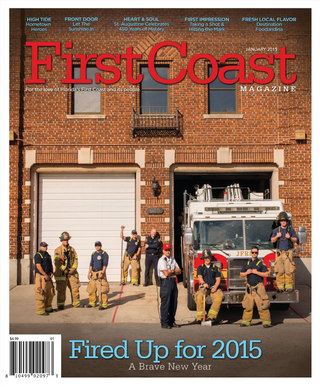
January 2015 First Coast Magazine

My most recently published writing may be found in the January 2015 issue of First Coast Magazine. This relatively new magazine is beautifully designed and always features interesting information about the northeast Florida community. I’m so excited to have been asked to write for the publication.

You can also read the story here:

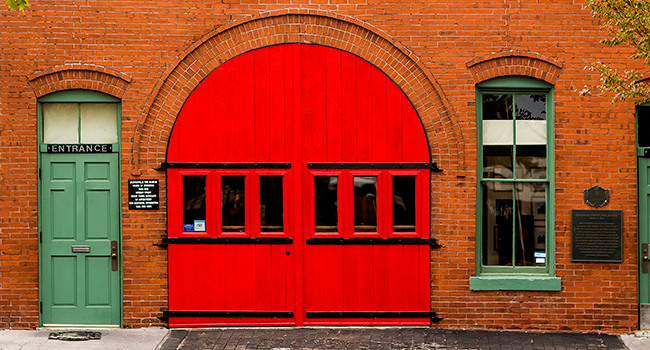
Like the fabled phoenix in Egyptian mythology that was consumed by fire, only later to rise renewed from its ashes, Fire Station No.3 has been reborn – and more than once. It originally opened in 1886 on East Bay Street in downtown Jacksonville and was rebuilt after burning nearly to the ground in Jacksonville’s Great Fire of 1901. The station, which now houses the Jacksonville Fire Museum at 1406 Gator Bowl Blvd., in Metropolitan Park, is a tribute to Jacksonville’s trials by fire.

When it opened in 1886, it was known as the Duval Hose Company, the city’s only African-American company, that remained so until 1906. The company eventually became part of Fire Station No.3. All that remained of the station after the Great Fire was the east wall of the station. The station’s horse-drawn fire truck was destroyed as well.

Bricks salvaged from buildings destroyed by the fire were used to rebuild the north, south and west walls of the new firehouse that was built at 12 Catherine Street. Ten months after the Great Fire, the new Fire Station 3 was opened. A new 1902 LaFrance Steam Engine arrived to replace the horse-drawn one. That has been restored, and sits gleaming in the Jacksonville Fire Museum.

Station No.3 remained a working fire station until 1920, when the Jacksonville Fire Department shop facilities moved in and remained until 1952. From 1952-73, the station was used only as a storage facility for the Jacksonville Fire Department.

Jacksonville Fire Lieutenant Paul Galloway and Engineer Wayne Doolittle, with the assistance of the Jacksonville Historical and Cultural Conservation Commission and the Jacksonville Mayor’s Office, successfully got Fire Station No.3 placed on the National Registry of Historical Monuments in 1973.

According to curator Wyatt Taylor, the building became a museum in 1982 and was moved to its current location in 1994. The exterior of the building is a testament to its history, with the east wall a different shade of brick from the other walls, standing strong as a link to our founding firehouses.

The building looks forward to yet another rebirth. Funds are needed to address structural issues and for the museum’s operation costs.

“The museum was originally run by firefighters to honor firefighters,” Wyatt says. “Now we want to turn it into a functioning museum that has the ability to document and care properly for the items it continues to collect to educate future generations about Jacksonville’s firefighters.”

For more information on how you can get involved visit the Jacksonville Fire Museum.

firehouse